The Importance of Acclimatization
Acclimatization is the most critical factor for safely climbing Mount Everest. As you ascend higher into the atmosphere, the air becomes thinner, meaning each breath contains less oxygen. Without allowing your body time to adjust, you risk severe altitude sickness, which can be fatal. Most climbers spend several weeks at Base Camp, making repeated trips to higher camps before attempting the summit.
How Rotations Work
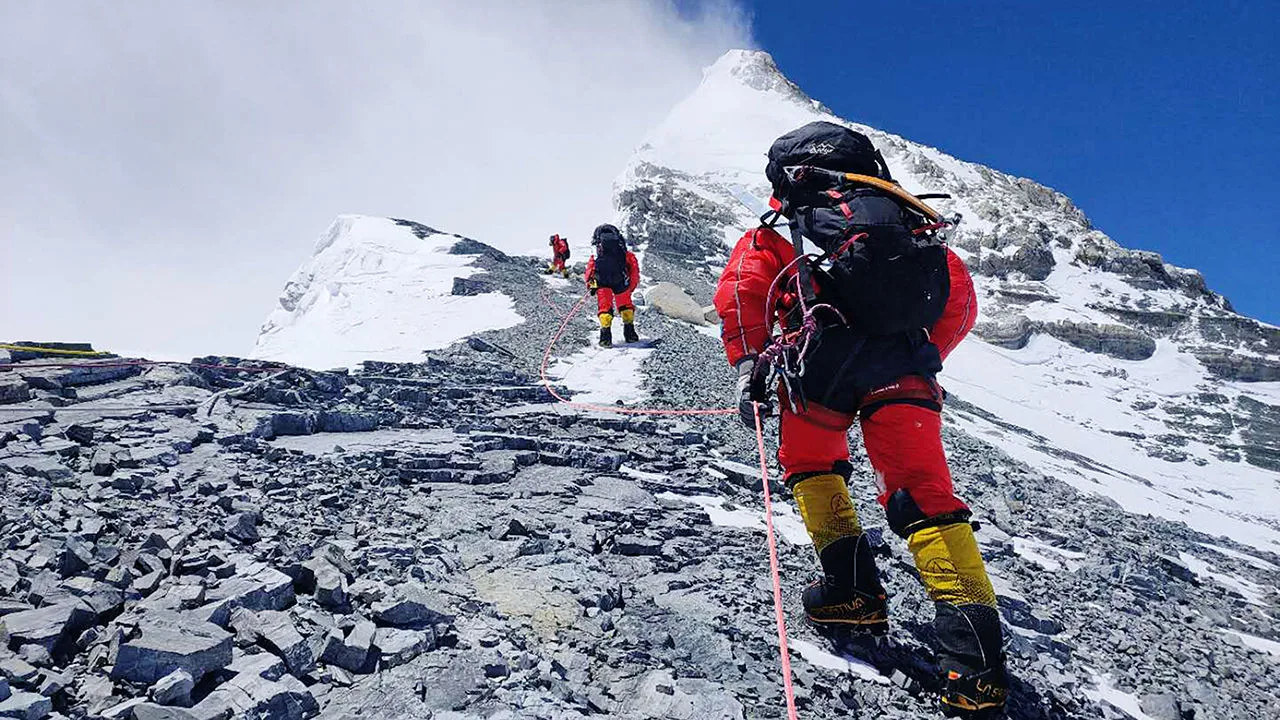
Climbers will typically climb from Base Camp to Camp 1 or Camp 2, spend a night or two, and then return to Base Camp to rest. This “climb high, sleep low” technique stimulates the production of red blood cells, which carry oxygen throughout the body.
Listen to Your Body
Headaches, nausea, and shortness of breath are common, but severe symptoms must be addressed immediately. Proper hydration and returning to a lower altitude are the best treatments. Never rush the process; your survival depends on it.