
- Trek
Island Peak Adventure
Island
The Island Peak is one of Nepal’s most popular introductory Himalayan climbs, standing at 6,189 meters. Perfect for trekkers ready to step into mountaineering, it combines trekking through the Khumbu Valley with the thrill of a true alpine ascent.
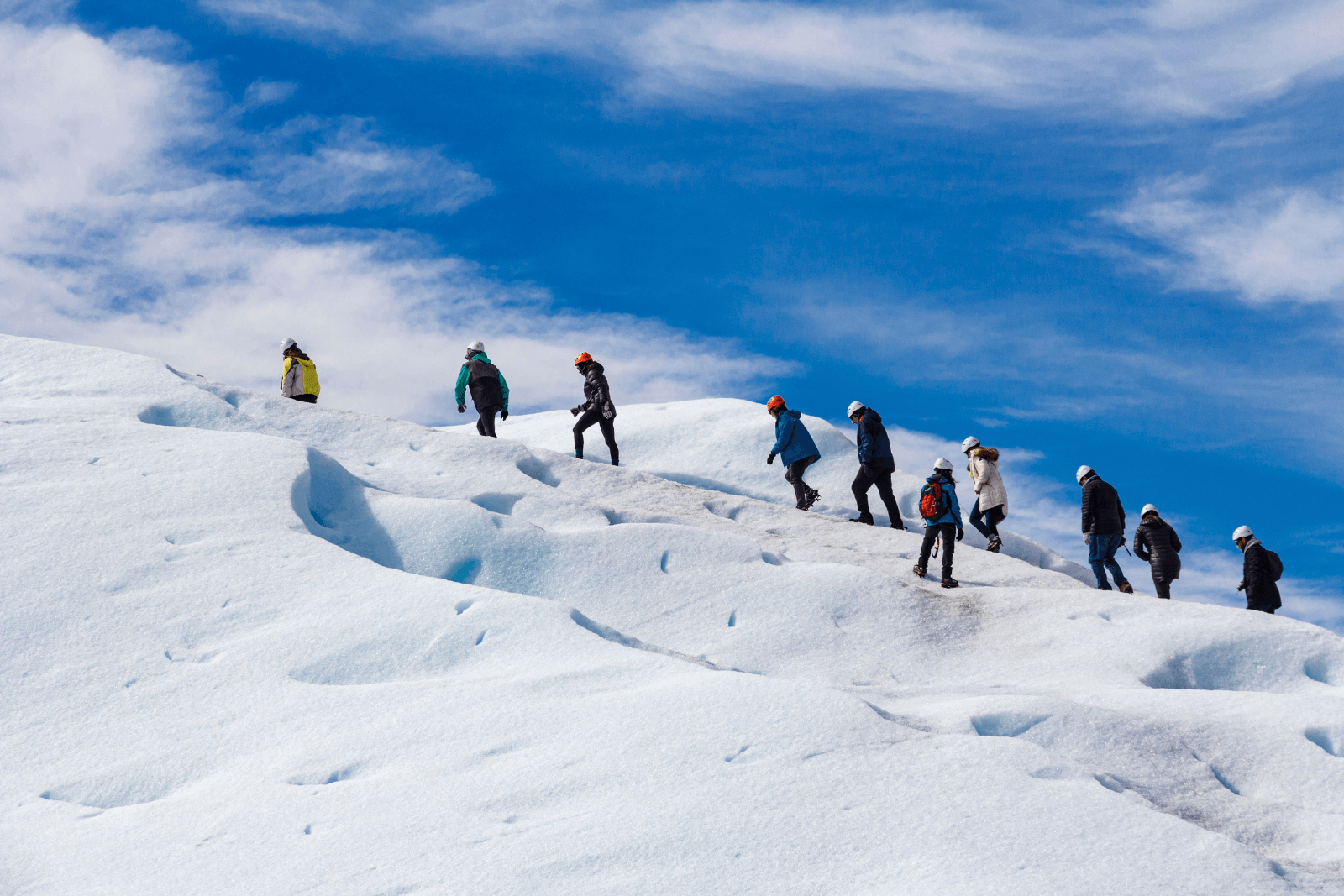
Before the climb, you’ll pass through Sherpa villages, monasteries, and high valleys, gaining both acclimatization and cultural insight. At Base Camp, expert Sherpa guides provide essential training in rope handling, crampon use, and glacier travel to prepare you for summit day.
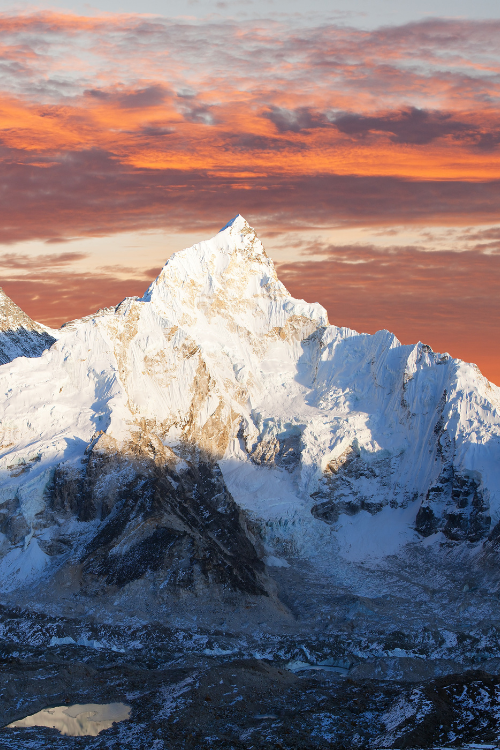
The final push to the summit begins before dawn, leading across glaciers and a steep headwall before reaching the narrow ridge at the top. From the summit, the reward is unforgettable—sweeping views of Everest, Lhotse, and the stunning Ama Dablam.
Summit Overview
Tour Highlights
- Dual Adventure : This trek combines the iconic Everest Base Camp trek with a challenging ascent of Island Peak, providing a comprehensive Himalayan adventure experience.
- Stunning Landscapes : Journey through diverse landscapes, including lush forests, suspension bridges, picturesque villages, and high-altitude passes, with breathtaking views of Everest, Lhotse, Nuptse, Ama Dablam, and other Himalayan peaks.
- Sherpa Culture : Immerse yourself in Sherpa culture and hospitality while passing through traditional Sherpa villages like Namche Bazaar, Tengboche, and Pangboche, gaining insights into their way of life, traditions, and Buddhist heritage.
- Acclimatization : Take advantage of rest and acclimatization days in Namche Bazaar, Dingboche, and Chukhung to adjust to the altitude and explore nearby attractions, enhancing your overall trekking experience.
- Tengboche Monastery : Visit the famous Tengboche Monastery, one of the largest monasteries in the Khumbu region, and participate in chanting and prayer ceremonies with Buddhist monks, offering a spiritual connection to the mountains.
- Everest Base Camp : Reach the iconic Everest Base Camp, standing at the foot of the world's highest peak, and witness the awe-inspiring Khumbu Glacier and Icefall, along with meeting climbers attempting to summit Everest during the spring climbing season.
- Kala Patthar : Hike to Kala Patthar for panoramic sunrise views of Everest and surrounding peaks, providing an unforgettable Himalayan vista that will be etched in your memory forever.
- Island Peak Summit : Embark on the ultimate challenge of summiting Island Peak (Imja Tse), a technical climb requiring ice axe and rope skills, offering stunning views of the Everest region from the summit at 6,189 meters.
- Climbing Training : Receive hands-on climbing training from experienced guides at Island Peak Base Camp, ensuring safety and confidence for the ascent, even for climbers with limited prior experience.
- Sense of Achievement : Experience the exhilaration and sense of achievement as you stand on the summit of Island Peak, surrounded by the majestic Himalayan peaks, marking the culmination of your trekking and climbing journey.
- Comprehensive Services : Enjoy comprehensive services provided by Treks Advisor, including transportation, meals, permits, insurance coverage, experienced guides and porters, ensuring a safe, comfortable, and rewarding adventure.
- Farewell Celebration : Conclude your trek with a farewell dinner in Kathmandu, celebrating your achievements and sharing memories with your trekking crew, before bidding farewell to the Himalayas.
- Unforgettable Memories : Whether it's witnessing the sunrise over Everest, summiting Island Peak, or connecting with the Sherpa culture, the Island Peak & Everest trek promises unforgettable moments and memories that will last a lifetime.
Altitude: 1,400 m
Arrive in the lively capital of Nepal, Kathmandu. Meet your expedition team and receive a detailed briefing about your Island Peak climb. Take time to explore the rich cultural sites, bustling markets, and traditional temples as you prepare for your adventure.
Altitude: 2,610 m
Board an exciting mountain flight to Lukla, the gateway to the Everest region. Begin your trek with a gentle descent through pine forests, local Sherpa villages, and along the scenic Dudh Koshi River to reach Phakding.
Altitude: 3,440 m
Trek across suspension bridges and enter Sagarmatha National Park. Gradually ascend through pine forests and along the river valley before reaching Namche Bazaar, the main trading hub of the Khumbu region.
Altitude: 3,440 m
Spend a day acclimatizing to the altitude. Visit the local museum, explore the bustling market, or hike to Everest View Hotel for a panoramic vista of Everest, Lhotse, and Ama Dablam. This day helps your body adjust for higher elevations ahead.
Altitude: 3,860 m
Follow a scenic trail that winds through rhododendron forests and traditional Sherpa villages. Arrive in Tengboche, famous for its ancient monastery and magnificent views of Everest, Ama Dablam, and Thamserku.
Altitude: 4,410 m
Descend to the Imja Khola River and then climb steadily to reach Dingboche. The open valleys offer sweeping views of Lhotse, Island Peak, and Ama Dablam, creating a perfect Himalayan panorama.
Altitude: 4,410 m
Take a second acclimatization day to strengthen your body for the climb. Hike to Nagarjun Hill (5,070 m) or Chhukung Valley for stunning views of Makalu and Imja Tse (Island Peak) before returning to Dingboche.
Altitude: 4,730 m
Continue trekking along the valley toward Chhukhung, a small settlement surrounded by towering peaks. The trail offers close-up views of Lhotse and Ama Dablam, and this is the final village before Island Peak Base Camp.
Altitude: 5,200 m
Trek across rocky glacial terrain to reach Island Peak Base Camp. The trail provides breathtaking views of Imja Glacier and the surrounding Himalayan peaks. Spend the evening preparing your climbing gear and reviewing technical techniques with your guide.
Altitude: 5,200 m
Use this day for technical climbing training. Learn rope handling, crampon use, ice axe techniques, and glacier navigation. Proper preparation ensures a safe and successful Island Peak summit attempt.
Altitude: 6,189 m (Summit)
Begin the climb before dawn. Traverse rocky sections, glaciers, and fixed ropes to reach the summit of Island Peak. From the top, enjoy a breathtaking panorama of Makalu, Lhotse, Baruntse, and Ama Dablam. Descend carefully back to Base Camp to rest and celebrate your achievement.
Altitude: 5,200 m
This day serves as a buffer in case of unfavorable weather or other delays. Flexibility ensures you have the best chance for a successful summit under safe conditions.
Altitude: 3,985 m
Begin your descent through the Imja Valley, retracing the trail past Chhukhung and Dingboche. The lower altitude brings warmth and comfort as you reach Pangboche, one of the oldest Sherpa villages in the Khumbu.
Altitude: 3,440 m
Descend through forested paths and across suspension bridges as you return to Namche Bazaar. Relish your successful summit with fellow trekkers while enjoying the lively mountain atmosphere.
Altitude: 2,840 m
Follow the Dudh Koshi River down to Lukla, crossing several bridges and passing Sherpa settlements. Reflect on your remarkable Island Peak adventure during your final night in the mountains.
Altitude: 1,400 m
Take an early morning flight back to Kathmandu, enjoying one last look at the Himalayan range from the sky. Spend the rest of the day at leisure, exploring or shopping for souvenirs.
Altitude: 1,400 m
A full day to relax, sightsee, or recover from your mountain adventure. Visit UNESCO heritage sites like Swayambhunath, Boudhanath, or Patan Durbar Square if you wish.
Altitude: 1,400 m
Your Island Peak expedition concludes. Depart with lifelong memories, new friendships, and the pride of having summited one of Nepal’s most iconic trekking peaks.
Trek Cost Includes
- Arrival and departure transfers: Enjoy seamless transportation to and from the airport, ensuring a smooth start and end to your journey.
- Three meals a day: Indulge in three delicious meals daily, including breakfast, lunch, and dinner, accompanied by tea, coffee, and seasonal fruits during the trek.
- Tips for Porter and Guide: Gratuity for porters and guides is included in our package, eliminating the need for additional tipping during your trek.
- Necessary Permits: We handle all necessary permits, including national park permits, tims permit, and conservation entry fees, allowing you to focus on the adventure ahead.
- Domestic flights: necessary domestic flights are arranged as part of the package for convenient travel within Nepal.
- Insurance Coverage: Comprehensive insurance coverage is provided for all involved Nepalese staff during the trek, ensuring their safety and well-being.
- Trekking map: Navigate the terrain with ease using our detailed trekking map, enhancing your overall experience.
- Personal baggage allowance: Each member is entitled to carry up to 15 kg of personal baggage during the trek, which will be conveniently carried by our porters.
- Hot drinking water: stay hydrated with 3 liters of hot drinking water per day per member provided during the trek.
- Local government licensed Guide and Porters: Benefit from the expertise of a local government licensed guide (English speaking) and porters (with a ratio of 2 trekkers to 1 porter) throughout the trek.
- Staff salary and allowance: we ensure fair compensation for our staff members, including salaries and allowances.
- Comprehensive medical kit: Your safety is our priority. A comprehensive medical kit is provided to address any medical needs that may arise during the trek.
Trek Cost Excludes
- International Airfare: Expenses related to international airfare to/from kathmandu are not included in the package.
- Nepal entry visa fee:Participants are responsible for the nepal entry visa fee.
- Extra expenses at restaurants/teahouses: Any additional expenses incurred at restaurants or teahouses beyond the provided meals (breakfast, lunch, dinner) are not covered.
- Extra nights in Kathmandu: Additional accommodation in kathmandu due to early arrival, late departure, or early return from trekking, not according to the scheduled itinerary, will be at the participant's expense.
- Personal Expenses: This includes expenses such as laundry, telephone calls, beverages, alcohol, internet usage, and any personal equipment or shopping.
- Insurance: Travel and high-altitude insurance, accident insurance, medical insurance, and emergency evacuation insurance are not included and should be arranged separately by participants.
- Any other items not listed: Any other items not explicitly mentioned in the "price includes" section are not covered and will be the responsibility of the participants.
Island Peak, also known as Imja Tse, is one of the most popular trekking peaks in the Everest region of Nepal. It stands at an elevation of 6,189 meters (20,305 feet) above sea level.
Climbing Island Peak is considered moderately difficult. While prior climbing experience is not mandatory, it's recommended to have some basic mountaineering skills and physical fitness.
The best time to climb Island Peak is during the pre-monsoon (spring) season from March to May and post-monsoon (autumn) season from September to November. These months offer stable weather and clear skies.
The duration of the Island Peak climbing expedition typically ranges from 15 to 20 days, including acclimatization and trekking to the base camp.
Yes, climbers require a climbing permit issued by the Nepal Mountaineering Association (NMA) to ascend Island Peak. Additionally, a Sagarmatha National Park entry permit is also necessary as the peak lies within the park.
Climbers need basic mountaineering equipment such as crampons, ice axes, harnesses, helmets, and ropes. It's advisable to rent equipment locally in Kathmandu or Chukhung.
While it's possible to climb Island Peak independently, hiring an experienced guide is highly recommended for safety and navigation, especially for those without prior mountaineering experience.
Accommodation options vary along the trekking route and at Island Peak Base Camp. Teahouses and lodges are available in villages along the trail, while camping is common at the Island Peak Base Camp.
Yes, altitude sickness is a potential risk while climbing Island Peak due to the high elevation. Proper acclimatization and a gradual ascent are essential to minimize the risk of altitude-related illnesses.
Yes, many climbers choose to combine the Island Peak climb with the Everest Base Camp trek to experience both the iconic trekking route and the exhilarating climb. This combined itinerary usually takes around 20 to 25 days.
The following are what we advise you obtain in the way of equipment and gear before trekking in Nepal, and are meant to keep you mobile and comfortable in a range of expected weather conditions. Trekking gear can be rented or purchased in Kathmandu at cheaper prices, remember Nepal is the home of Mount Everest, there is plenty of choice and our staff can assist you with the necessary arrangements. Except for your day pack, all luggage will be carried by porters. There is an allowance of 33lbs/15kg per person. Additional personal items not needed for the trekking portion of the trip can be checked in the hotel’s storage room for no extra cost.
CLIMBING
- Ice Axe
- Crampons
- Harness
- Screw gate
- Descended abseil device
- Prussic Loops
- Plastic Mountaineering Boot
HEAD
- Sun hat or scarf
- Light balaclava or warm fleece hat
- Sunglasses
- Head torch
UPPER BODY
- Cotton T-shirts or Thermals
- Fleece jacket
- Waterproof jacket
- Down jacket
LOWER BODY
- Lightweight cotton long pants
- Water Proof Pants
FEET
- Thin inner socks
- Thick, warm wool hiking socks
- Comfortable Hiking boots
HANDS
- Gloves
ACCESSORIES
- Sleeping bag rated to zero DC
- Trekking Bags/Duffel bag
- Large plastic bags – for keeping items dry inside trek bag
- Trekking Poles (Optional)
- Water bottle or camel bag
- Toiletries
make an inquiry
Summit Overview
Starting Point
Kathmandu
Country
Nepal
Walking per day
5-6 Hours
Duration
18 Days
Meals
Three Meals Per Day
Maximum Altitude
6165m / 20221ft
Group Size
9
Arcu cursus euismod quis viverra nibh cras pulvinar mattis. Blandit libero volutpat sed cras ornare arcu dui vivamus. Integer eget aliquet nibh praesent.
Lorem ipsum dolor sit amet, consectetur adipiscing elit, sed do eiusmod tempor incididunt ut labore et dolore magna aliqua. Cursus vitae congue mauris rhoncus aenean vel
Arcu cursus euismod quis viverra nibh cras pulvinar mattis. Blandit libero volutpat sed cras ornare arcu dui vivamus. Integer eget aliquet nibh praesent.
Lorem ipsum dolor sit amet, consectetur adipiscing elit, sed do eiusmod tempor incididunt ut labore et dolore magna aliqua. Cursus vitae congue mauris rhoncus aenean vel.
Arcu cursus euismod quis viverra nibh cras pulvinar mattis. Blandit libero volutpat sed cras ornare arcu dui vivamus. Integer eget aliquet nibh praesent.
Lorem ipsum dolor sit amet, consectetur adipiscing elit, sed do eiusmod tempor incididunt ut labore et dolore magna aliqua. Cursus vitae congue mauris rhoncus aenean vel
- Story
Collect Moments, not Things.
Travel
Lorem ipsum dolor sit amet, consectetur adipiscing elit, sed do eiusmod tempor incididunt ut labore et dolore magna aliqua. Cursus vitae congue mauris rhoncus aenean vel. Suspendisse sed nisi lacus sed viverra tellus. Urna duis convallis convallis tellus.
id interdum velit laoreet. In pellentesque massa placerat duis. Arcu cursus euismod quis viverra nibh cras pulvinar mattis. Blandit libero volutpat sed cras ornare arcu dui vivamus. Integer eget aliquet nibh praesent. Volutpat commodo sed egestas egestas.
Related Travel Guides, reviews and Stories
Discover inspiring stories, travel tips, and expedition insights from the heart of the Himalayas